eo_logo
 
Product added to cart

Edmund Optics®

Knowledge Center

 Verified library of trusted technical resources created by our 240+ global engineers.

Filter
Search Results for: Illumination Grade Cylinder Lenses (174)

What are Cylinder Lenses?

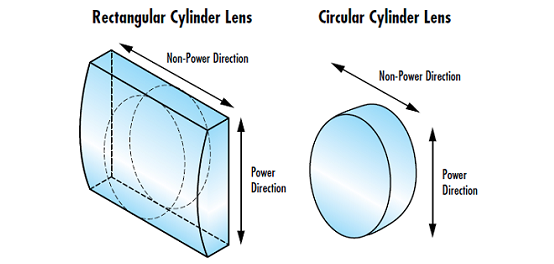
Learn what cylindrical lenses are, how they work, and how they are used in different systems in this guide by Edmund Optics.

View Now Add to saved content

UV vs. IR Grade Fused Silica

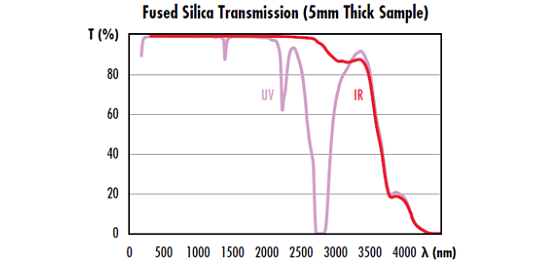
UV grade fused silica is ideal for UV and visible applications, but IR grade fused silica has better transmission in the IR due to a lack of OH- impurities.

View Now Add to saved content

Considerations When Using Cylinder Lenses

Learn about specifications that should be considered when using cylinder lenses, including power axis wedge, plano axis wedge, and axial twist at Edmund Optics.

View Now Add to saved content

In-line Illumination

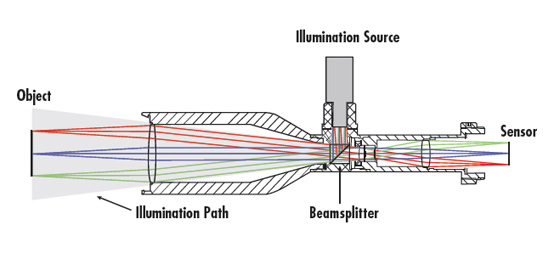
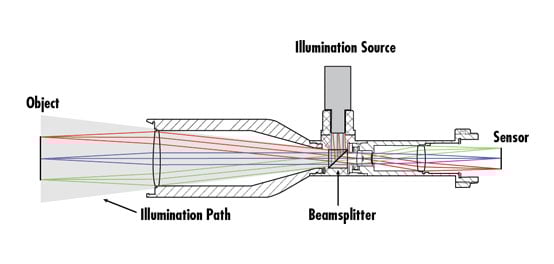
Are you designing a system and debating whether or not to use in-line illumination? Read more about the proper time to use in-line and comparisons at Edmund Optics.

View Now Add to saved content

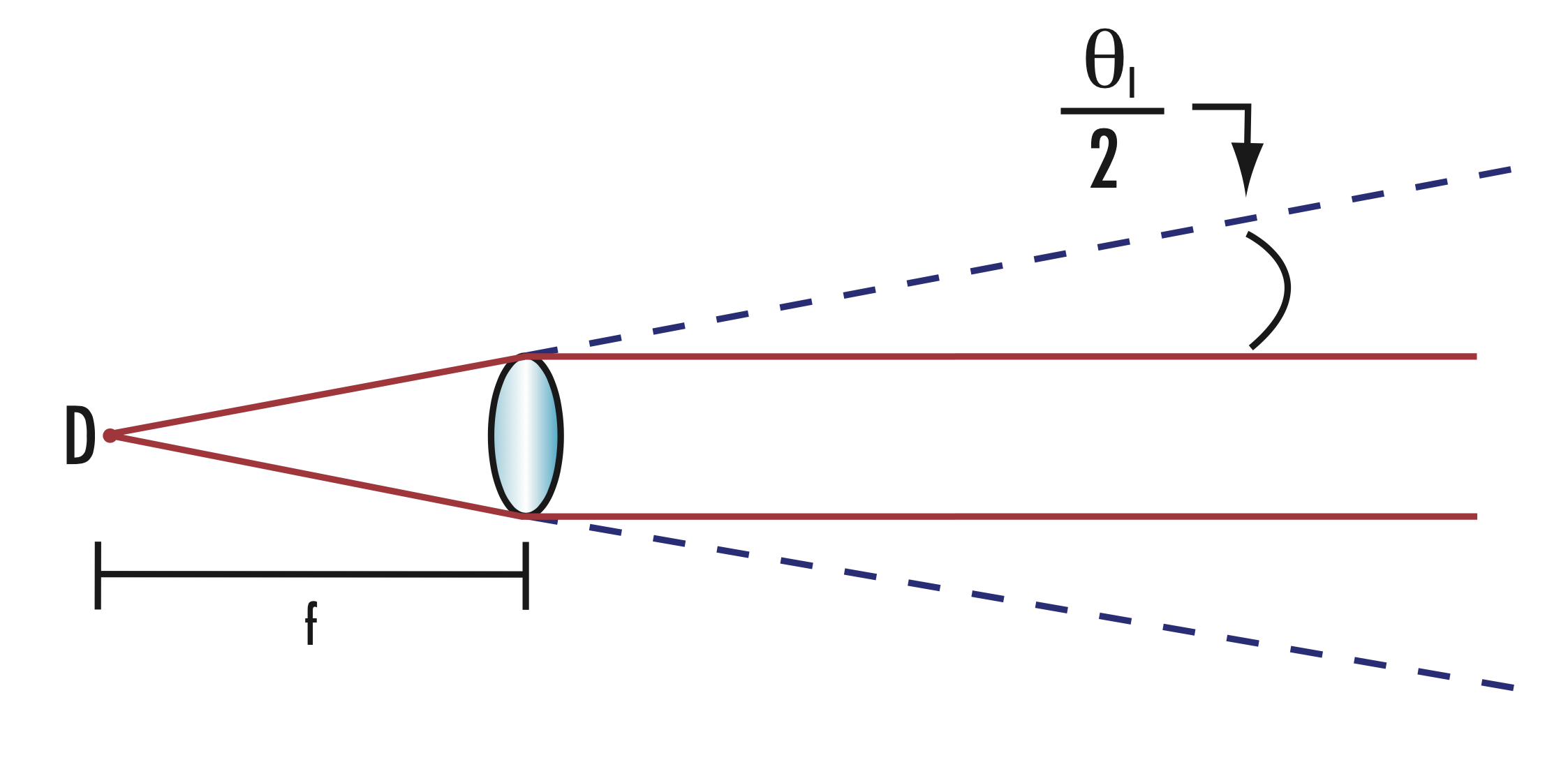
Telecentric Illumination

Think you don't need telecentric illumination in machine vision applications? Find out why you need telecentric illumination at Edmund Optics.

View Now Add to saved content

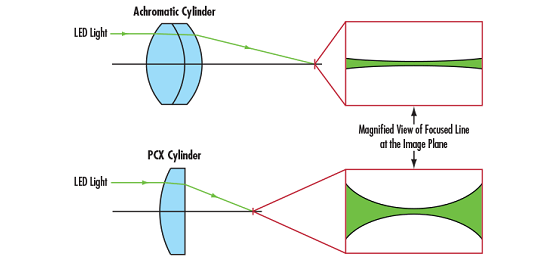
Why Choose an Achromatic Cylinder Lens?

Debating whether or not to use a traditional cylinder lens or an achromatic cylinder lens? Discover the benefits of achromatic cylinder lenses at Edmund Optics.

View Now Add to saved content

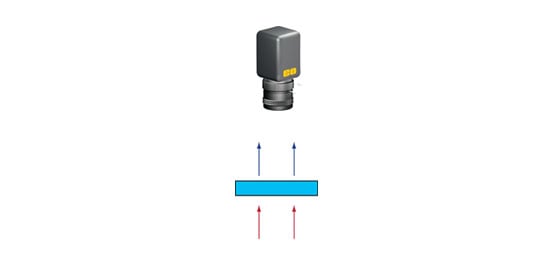
Backlight Illumination for Machine Vision

Learn about the use cases for a backlight, its advantages in industrial inspection and metrology, and the key considerations for integration into vision systems.

View Now Add to saved content

Common Illumination Types

Not sure which type of illumination you should use for your system? Learn more about the pros and cons of different illumination types at Edmund Optics.

View Now Add to saved content

Silhouetting Illumination in Machine Vision

Choosing the right backlight illumination is critical for precise measurement and edge detection in machine vision applications. Learn about your best options!

View Now Add to saved content

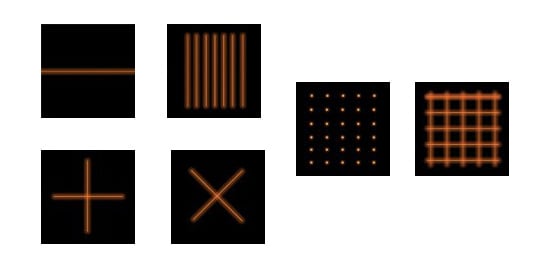
Using Structured Illumination

Machine vision systems heavily rely on illumination. Learn more about how structured illumination can maximize your system at Edmund Optics.

View Now Add to saved content

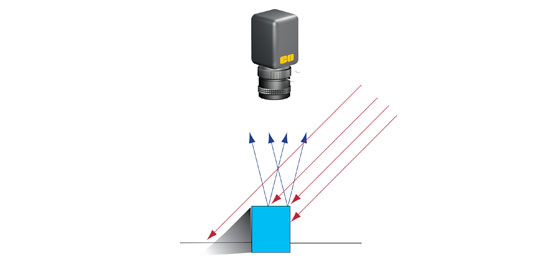
Brightfield Illumination with Spot and Bar Lights for Machine Vision

Learn about how to show different objects (diffuse and specular) with partial brightfield illumination using a white spot light or bar light.

View Now Add to saved content

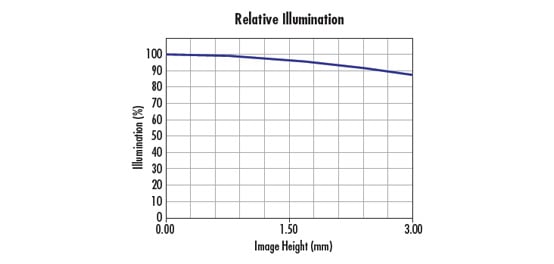
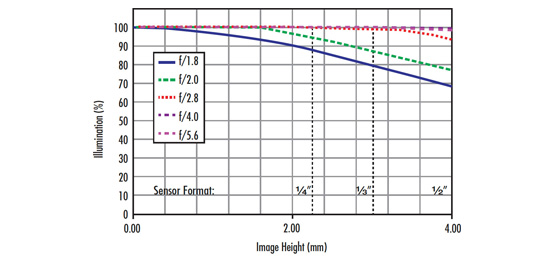
Relative Illumination, Roll-Off, and Vignetting

In order to understand vignetting, it is important to understand sensor sizes, formats, and roll-off and relative illumination. Find out more at Edmund Optics.

View Now Add to saved content

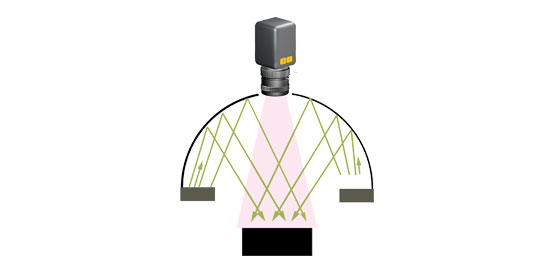
Brightfield Illumination with Dome Lights for Machine Vision

Learn about integrating brightfield dome lights into vision systems

View Now Add to saved content

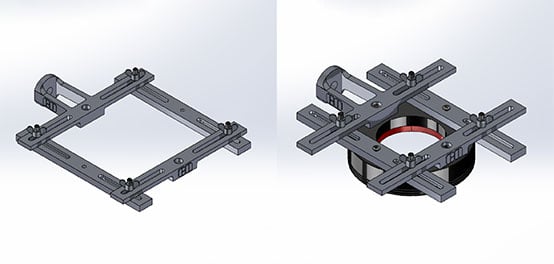
Illumination Mounts for Machine Vision Applications

Explore a wide selection of machine vision lighting at Edmund Optics from top brands and download free 3D printed mounts for various lighting geometries.

View Now Add to saved content

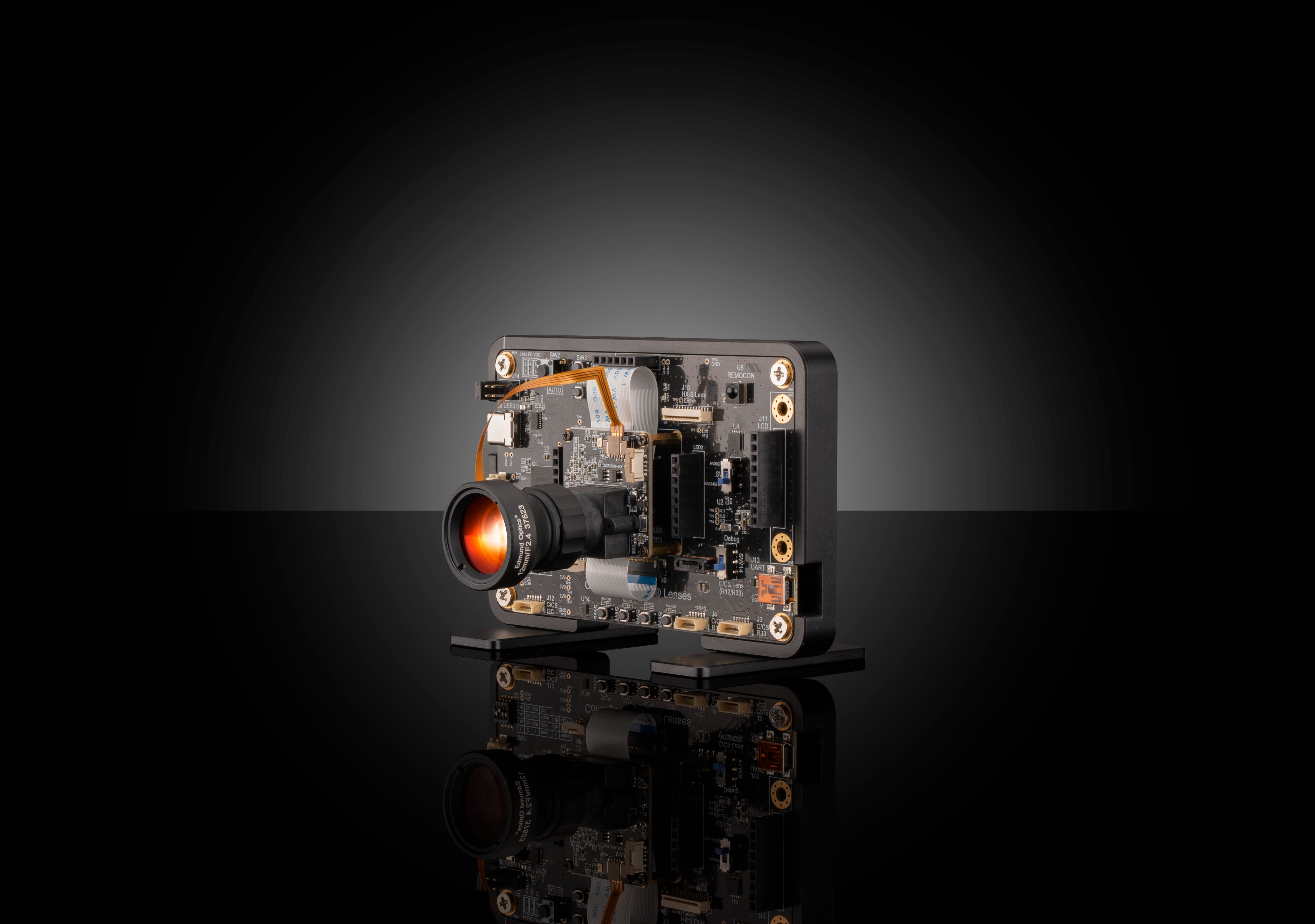
Sensors and Lenses

Imaging lenses and sensors must be paired together with special attention.

View Now Add to saved content

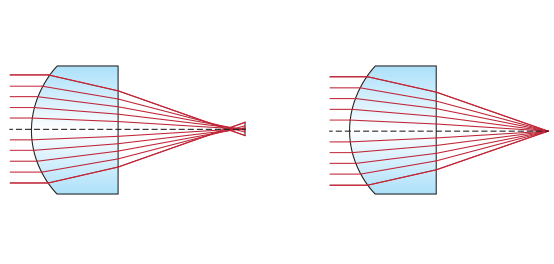
All About Aspheric Lenses

Learn all about the benefits of aspheres, their unique anatomy, how they're manufactured, and how to choose the right one for your system.

View Now Add to saved content

Types of Machine Vision Lenses

Fixed focal length, zoom, and macro lenses are all variable magnification lenses. Learn more at Edmund Optics.

View Now Add to saved content

Liquid Lenses Basics

Imaging lens performance can be enhanced with the use of liquid lenses. Learn more at Edmund Optics.

View Now Add to saved content

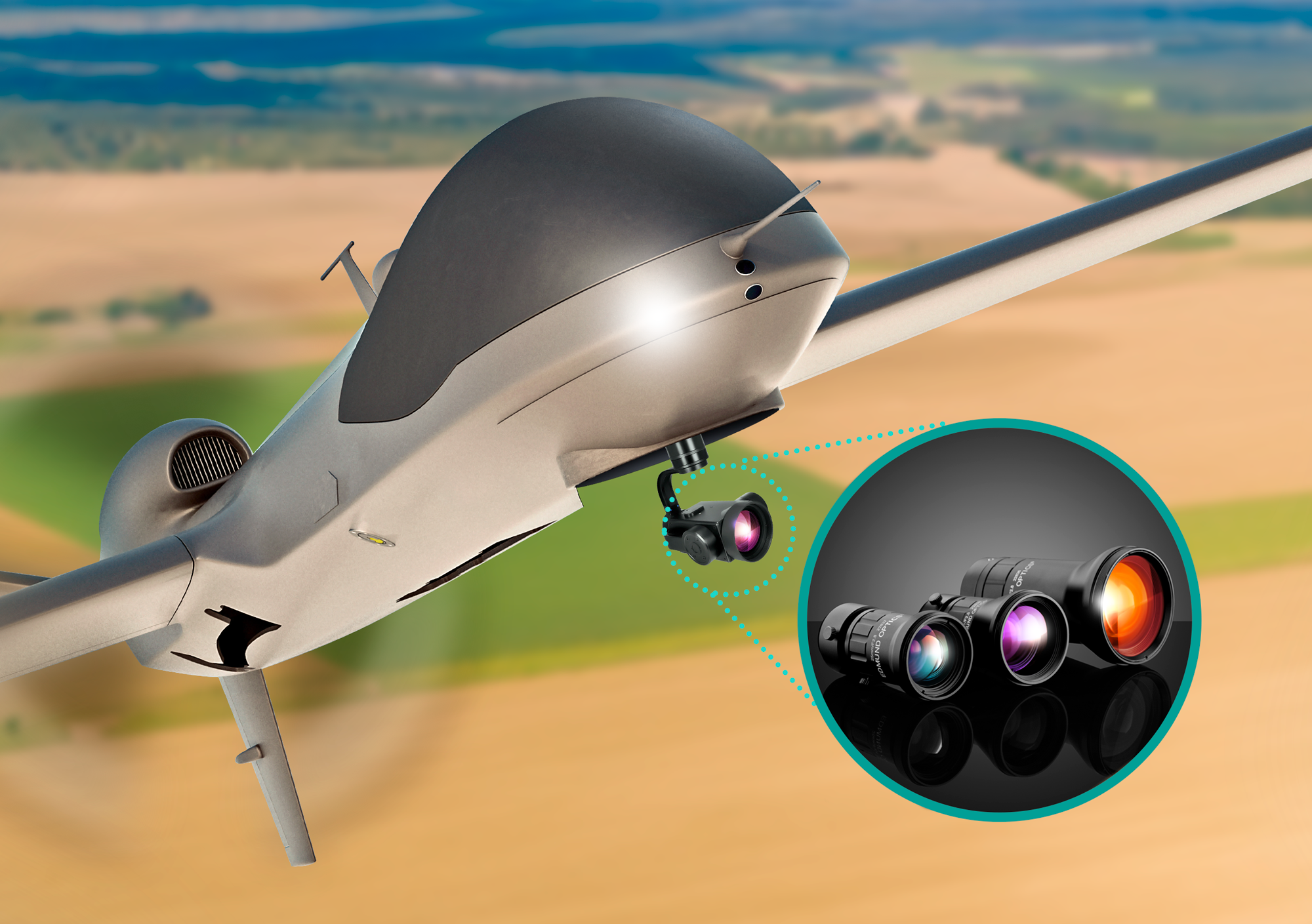
Imaging Lenses for UAVs

The lenses used for high-resolution unmanned aerial vehicles (UAVs) have unique requirements beyond those of standard imaging lenses.

View Now Add to saved content

Ruggedization of Imaging Lenses

Have an application in a demanding environment? Learn about the different types of ruggedization: industrial, ingress protection, and stability at Edmund Optics.

View Now Add to saved content

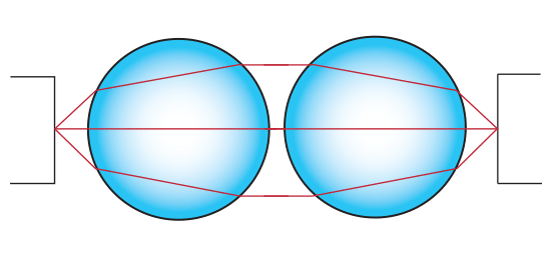
Understanding Ball Lenses

Have a question about ball lenses? Find more information about these optical components including essential equations and application examples at Edmund Optics.

View Now Add to saved content

Tips for Designing Manufacturable Lenses and Assemblies

Learn more about why manufacturing, assembly, testing and implementation are all equally important for a successful lens design.

View Now Add to saved content

In-line Telecentric Illumination for Machine Vision

View Now Add to saved content

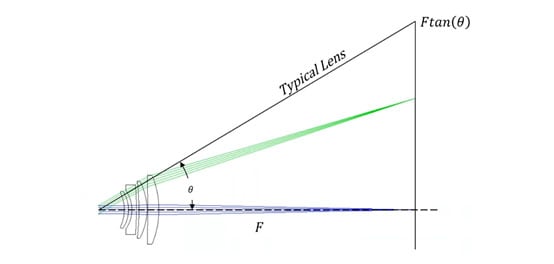
Chromatically Corrected F-Theta Lenses for Ultrafast Laser Applications

Explore the key design considerations for f-theta scanning lenses and balancing dispersion in ultrafast laser systems.

View Now Add to saved content

Brightfield Illumination with Ring Lights for Machine Vision

Learn more about integrating brightfield ring lights into vision systems

View Now Add to saved content

Darkfield Illumination with Ring Lights for Machine Vision

Learn more about integrating darkfield ring lights into vision systems

View Now Add to saved content

The Benefits of Color-Corrected Optical Lenses

Color-corrected optical lenses are ideal for many applications because they reduce multiple aberrations. Learn more about the advantages at Edmund Optics.

View Now Add to saved content

Using Tube Lenses with Infinity Corrected Objectives

Want to use an infinity corrected objective to make an image? You will need a tube lens to do it! Find out why and how it works at Edmund Optics.

View Now Add to saved content

Optical Microscopy Application: Darkfield Illumination

Darkfield illumination is the opposite of brightfield illumination. Find out how darkfield differs from brightfield in optical microscopy at Edmund Optics.

View Now Add to saved content

Fluorescence Imaging with Laser Illumination

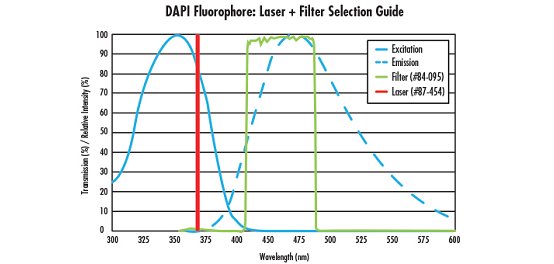
Fluorescence imaging systems are composed of three major components, an illumination source, a photo-activated fluorophore sample, and detector.
View Now Add to saved content