eo_logo
 
Product added to cart

Edmund Optics®

Knowledge Center

 Verified library of trusted technical resources created by our 240+ global engineers.
Filter
Search Results for: Laser Material Processing (383)

Is it better to use a continuous wave or pulsed 2µm laser for materials processing?

View Now Add to saved content

Single-Material Aspheric Achromats

Single-Material Aspheric Achromats correct chromatic aberrations with a unique geometry, leading to numerous benefits over conventional achromatic lenses.

View Now Add to saved content

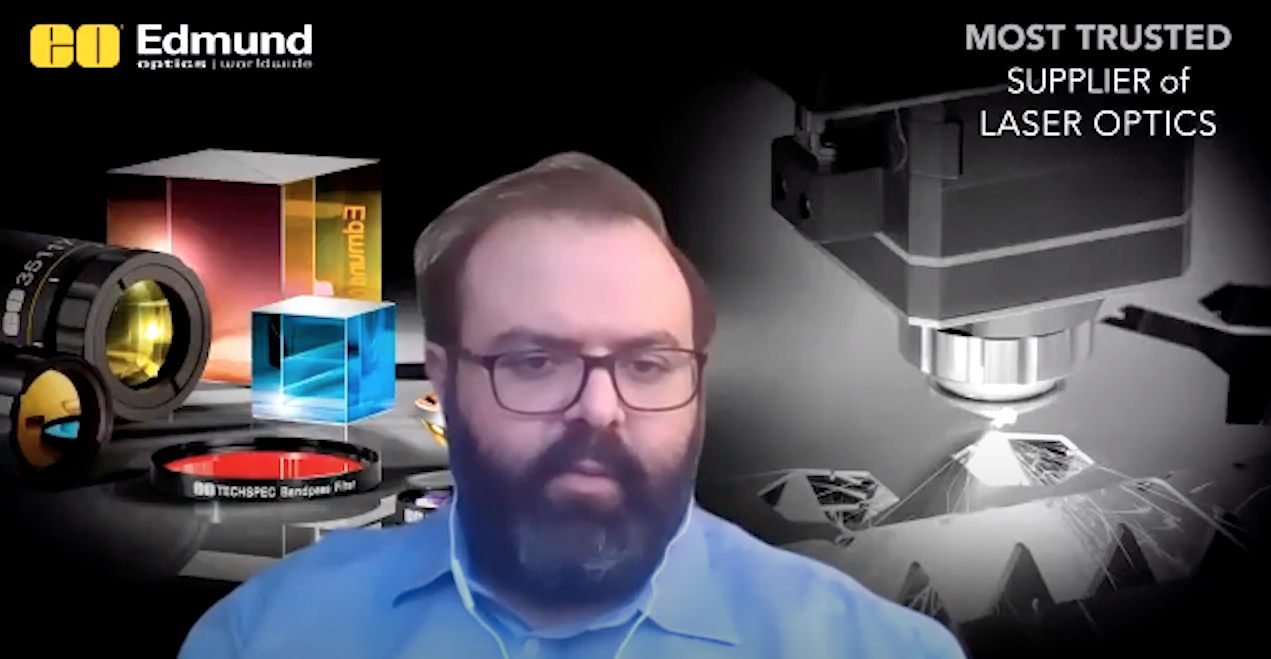
Ultrafast Laser Optics from Edmund Optics - PhotonicsNEXT 2021

Learn about Edmund Optics' ultrafast laser optics capabilities in this interview with Tony Karam from the PhotonicsNEXT Summit in January 2021.

View Now Add to saved content

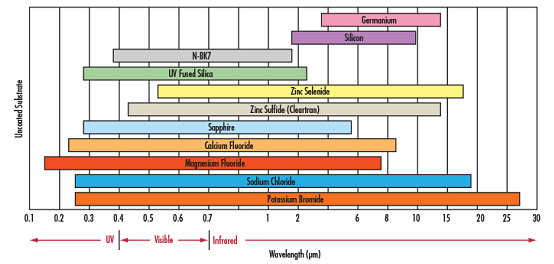
The Correct Material for Infrared (IR) Applications

Using an Infrared Application? Discover the importance of choosing the right material and comparisons of each at Edmund Optics.

View Now Add to saved content

Reflective Laser Beam Shaping

Beam Shaping for High Power and Short Pulse Durations

View Now Add to saved content

Buffer Material

View Now Add to saved content

Laser

View Now Add to saved content

Shaping ultrafast laser beams for glass processing

View Now Add to saved content

Why does the polarization of a laser matter?

The polarization state of a laser source is important for many different applications.

View Now Add to saved content

Digital Signal Processing (DSP)

View Now Add to saved content

What type of material should I look for in a filter?

View Now Add to saved content

Can Light Absorbing Black-Out Material be used in a vacuum environment?

View Now Add to saved content

Key Parameters of a Laser System

Learn the key parameters that must be considered to ensure you laser application is successful. Common terminology will be established for these parameters.

View Now Add to saved content

Vega™ Laser Line Beam Expanders

The TECHSPEC® Vega™ Laser Line Beam Expanders from Edmund Optics® are divergence adjustable to compensate for input beam divergence.

View Now Add to saved content

Why Laser Damage Testing is Critical for UV Laser Applications

Laser Induced Damage Threshold describes the maximum quantity of laser radiation an optic can take before damaging. Learn more at Edmund Optics.

View Now Add to saved content

Laser Spot Size

View Now Add to saved content

Reflective Optics for Laser Applications

Beam Conditioning Optics for UV, IR, and Broadband Lasers

View Now Add to saved content

Laser Damage Threshold Calculator

View Now Add to saved content

Common Laser Optics Materials

Understanding the most commonly used laser optics materials will allow for easy navigation of EO’s wide selection of laser optics components.

View Now Add to saved content

Laser Optics Lab:Specifications for Selecting a Laser

When determining which laser to use for your application, consider the following specifications: wavelength, coherence length, beam divergence, and Rayleigh range.

View Now Add to saved content

Laser Polarization: The Importance of Polarization in Laser Applications

Understanding the polarization of laser light is critical for many applications, as polarization impacts reflectance, focusing the beam, and other key behaviors.

View Now Add to saved content

What is the difference between a laser pointer and a laser diode module?

View Now Add to saved content

Introduction to Laser Optics Lab

The Laser Optics Lab video series discusses laser optics concepts including specifications, coating technologies, product types, and more

View Now Add to saved content

Bulk Laser Damage in Glass

Learn why the bulk laser-induced damage threshold (LIDT) of glass is significantly different than the LIDT optical components with coatings, such as AR thin films.

View Now Add to saved content

Laser Optics Lab Trailer

The Laser Optics Lab video series discusses laser optics concepts including specifications, coating technologies, product types, and more

View Now Add to saved content

How Laser Crystals are Made

Follow laser crystals through their entire manufacturing process from fabrication, to coating, to quality control in the Edmund Optics Florida facility.

View Now Add to saved content

Gas Laser

View Now Add to saved content

Can a laser diode module be modulated?

View Now Add to saved content

How to Align a Laser System

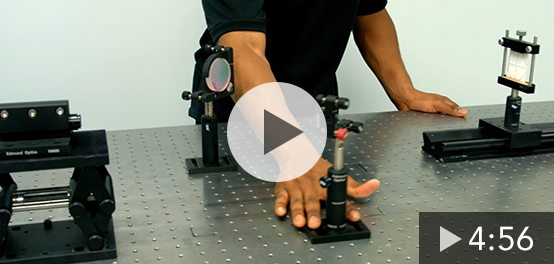
Join Chris Williams as he briefly explains the basics of how to align a laser system onto a target.

View Now Add to saved content

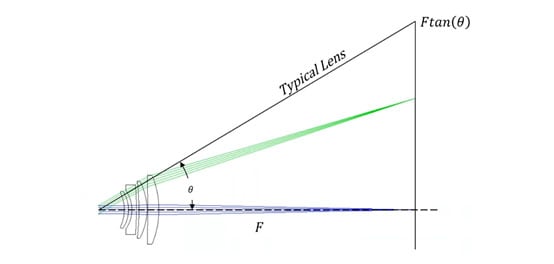
Chromatically Corrected F-Theta Lenses for Ultrafast Laser Applications

Explore the key design considerations for f-theta scanning lenses and balancing dispersion in ultrafast laser systems.

View Now Add to saved content